How to Avoid Scams in Freelance Video Editing: Real Stories and Solutions
Introduction: The Trap Every Video Editor Fears
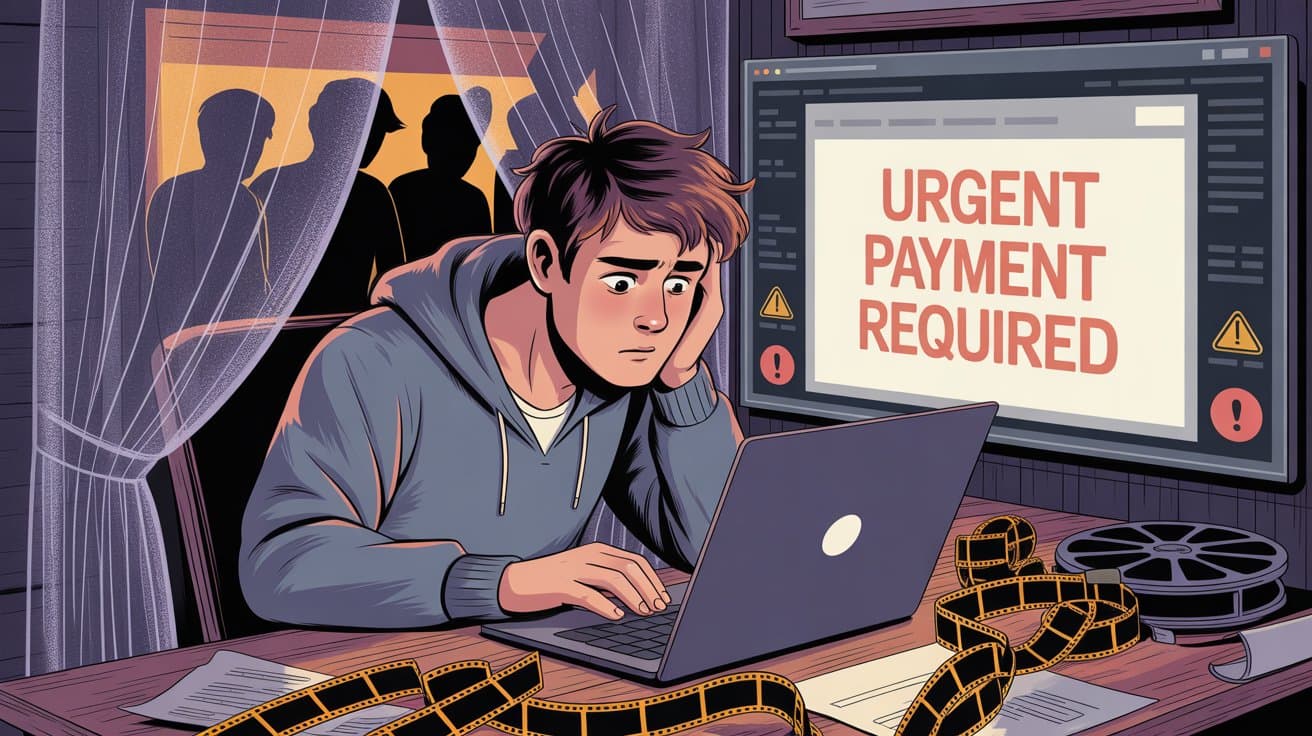
Imagine this: You’ve spent hours color grading, syncing audio, and adding slick transitions for a “dream” freelance client. Excited, you deliver your edit, awaiting payment. Days go by, but your messages go unanswered. Suddenly, you realize you’ve just worked for nothing — you've been scammed.
If you’re new to freelance video editing, this scenario might sound like a nightmare. But for many creative professionals, it’s a painful reality. Whether you’re chasing your first client or building your business, scams lurk in every inbox. The good news? With the right knowledge, you can protect your work and your wallet. Let’s break down where things go wrong and give you the video editor safety tips you need to thrive.
Why Scams Are Common in Freelance Editing
Freelance video editing scams thrive for several reasons:
Lack of Contracts: Many projects happen over DMs or emails, leaving no formal agreement.
Inexperience: New freelancers are often eager, making them targets for smooth-talking scammers.
Fake Clients: Anyone can pose as a client online; there’s little verification on many platforms.
Remote Work: With no face-to-face meetings, it’s harder to vet who you’re working with.
Global Access: Scammers can approach editors from anywhere, increasing risk.
Remote work’s advantages also create risks. Every freelancer needs to recognize the warning signs.
Common Types of Scams in Freelance Video Editing
1. Fake Payment Promises
Scammers may ask for work upfront, promising large payments once you deliver the files. But once you send your project, they vanish without paying.
Example: Ella edited a highlight reel for a charity event. The client praised her work but never paid, citing “bank issues” until they disappeared.
2. Asking for Free Sample Work
Some clients request “samples” to assess your skills. The twist? They piece together work from multiple freelancers for free, never intending to pay.
Example: Raj was asked for a 2-minute trailer as a "test." The client used his sample as the final cut, hiring no one.
3. Overpayment Scam
This involves a client “accidentally” sending too much money and asking for a refund. When the original payment bounces, you’re left out of pocket.
Example: Tessa got a $1,000 overpayment and was told to send $500 back via wire transfer. The initial payment never cleared, costing her $500.
4. Fake Job Listings
You respond to a legit-looking listing, but there’s no real job — just phishing for your personal info or portfolio materials.
Example: A listing promised regular editing work but only collected editors’ profiles and content for resale.
5. Non-Disclosure Agreement (NDA) Traps
Some clients send fake NDAs requiring personal data or even “registration fees” before you can start. These NDAs are purely to scam your details or money.
Example: Tom signed an NDA and paid a small “processing fee,” but the client and job vanished.
Real Stories: When Freelancers Get Burned
Story 1: The Overzealous Charity
Jessica found a charity project advertised through social media. With a tight deadline, she poured 20 hours into an “impact video.” After delivery, the client praised her, promised payment via PayPal, then claimed issues with their bank. They asked her to wait — and then blocked her. Jessica realized her work was used in the charity’s own online campaign, but her emails were never answered.
Story 2: The Sneaky NDA
Marcus was excited about working with what seemed to be an international ad agency. The contact sent him an official-looking NDA to “protect their assets,” but required not only his address and phone, but a copy of his ID and a fee. Eager for the project, Marcus complied. The agency disappeared, and weeks later, Marcus discovered his identity used for fraudulent credit card applications.
Story 3: The Disappearing Act
Sonia responded to a freelance editing gig advertised on a popular job board. The client wanted a promo and asked for a detailed sample. Sonia spent a weekend editing footage, only to be ignored after sending her sample. Later, she spotted her video on the client’s Instagram page, with zero credit — and zero payment.
Practical Solutions: Video Editor Safety Tips
Here’s how to avoid freelance scams and keep your work secure:
Use Escrow-Based Platforms: Trusted freelance sites hold client funds in escrow, guaranteeing payment once work is delivered.
Research Clients: Look up company websites, client reviews, and LinkedIn profiles.
Request Advance Payments: Ask for 30–50% upfront, especially with new clients.
Always Sign Contracts: Get terms and payment schedules in writing — templates are easily found online.
Verify Client Identities: Get official emails and check for suspicious communication habits.
Watermark Samples: Protect previews with unobtrusive watermarks until payment is received.
Avoid Free “Test Projects”: Offer existing samples or small, paid pilot projects instead.
Trust Your Gut: If something feels off (odd payment requests, reluctance to use platforms), walk away.
Use Business Accounts: Keep client payments and correspondence through business accounts for traceability.
Educate Yourself: Stay informed on new scam tactics by joining freelancer forums.
The Role of Platforms Like Kalakar Guild in Secure Freelance Work
Freelance marketplaces like Kalakar Guild offer built-in protections:
Verified Client Profiles: Allows you to check the legitimacy of potential clients.
Escrow Payment Systems: Guarantee you’re paid once you deliver.
Dispute Resolution: If problems arise, fair mediation is available.
Secure Messaging: Keeps all communication and deliverables in one platform.
Platforms dedicated to creative professionals help reduce risk, so you can focus on what you do best: editing great videos.
Conclusion
The world needs creative storytellers. Don’t let the risk of freelance video editing scams hold you back. By learning effective video editor safety tips, trusting your judgment, and working through reputable platforms, you can keep your creative journey safe, secure, and rewarding. Stay alert, trust your instincts, and remember: your talent has value — protect it and let it shine!